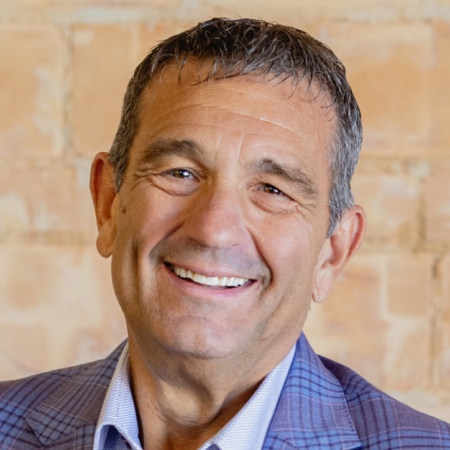
By Verl Workman
One of the most expensive assumptions in leadership is believing that people need more information.
They don’t.
The real bottleneck isn’t knowledge. It’s uncertainty.
Yet leaders continue to operate as if every stalled decision is an education problem. So they provide more training. More data. More scripts. More accountability meetings. More explanations.
Then they wonder why nothing changes.
The mistake is subtle, but it creates a leadership trap. When someone isn’t moving, we assume they don’t understand.
In reality, they often understand perfectly. What they haven’t resolved is the risk they believe they’re carrying.
That distinction separates managers from leaders.
Managers attempt to increase certainty through information. Leaders reduce fear through clarity.
The difference shows up everywhere.
A buyer doesn’t hesitate because they can’t comprehend interest rates. They hesitate because they’re afraid of making a costly mistake.
A seller doesn’t delay because market conditions are confusing. They delay because they can’t clearly see what happens after the transaction.
An agent doesn’t avoid prospecting because they forgot the script. They avoid prospecting because rejection feels threatening.
Most organizations spend enormous amounts of time treating symptoms while completely missing the source. The symptom is inactivity.
The source is unresolved fear.
That’s why so many training-heavy organizations struggle to create consistent performance. They continue feeding people answers to questions nobody is actually asking.
The agent says, “I need a better script.” What they often mean is, “I don’t feel confident enough to have this conversation.”
The team member says, “I need more training.” What they often mean is, “I’m afraid of failing in front of everyone.”
The leader says, “My people aren’t committed.” What they often mean is, “I haven’t identified what’s causing them to hesitate.”
This is where leadership becomes less about persuasion and more about diagnosis.
For years, the industry celebrated objection handling. The ability to counter resistance became a badge of honor. If someone pushed back, the solution was to push harder.
But consumers changed. Teams changed. People changed.
Pressure no longer creates the results it once did because modern professionals have become exceptionally good at detecting when someone is trying to move them toward a decision they aren’t ready to make.
Trust disappears the moment people feel managed instead of understood.
The leaders creating momentum today aren’t the ones with the most compelling arguments. They’re the ones asking better questions. They’re identifying the threat underneath the hesitation. They’re uncovering the uncertainty underneath the objection. And they’re helping people navigate what feels risky before attempting to accelerate action.
Once the threat is identified, decisions become surprisingly simple.
Trust grows. Conversations become easier. Accountability becomes less confrontational. Momentum begins to build naturally.
Not because people were convinced. Because they were finally clear.
The future won’t belong to leaders who can pressure people into movement. It’ll belong to leaders who can create enough clarity that movement feels safe.
That’s a very different skill. And it’s one most organizations still underestimate.
People rarely need another explanation. They need a path they can trust.
When leaders learn to illuminate that path, growth stops feeling like something that must be forced. It becomes the natural outcome of people who can finally see where they’re going.
Let’s Get Started!
The blog post above references advice used by our coaches to help their clients achieve the business they want and the life they deserve. Do you believe having the right coach might be able to help you get there? If the answer is yes, don’t wait. Click the link below, take our 2-minute assessment, and start your journey toward success today. I promise you’ll walk away with actionable ideas, whether you join our coaching program or not.
Take our 2-minute Find My Fit assessment to get started!