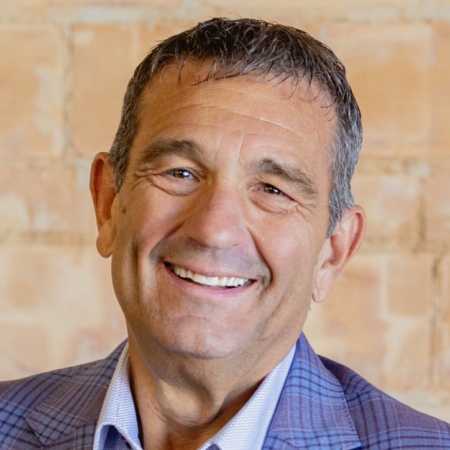
By Verl Workman
One of the most common complaints I hear from real estate agents in today’s market sounds something like this: “I’m doing everything I used to do, but my results aren’t the same.”
They’re right. And that’s exactly what should be happening.
Success in today’s real estate market requires more effort because buyers and sellers are more selective, decisions are more cautious, and competition has returned. Agents who want consistent results need more prospecting, meaningful conversations, follow-up, market expertise, and visibility than many needed during the previous market cycle.
Why? Because the market changed.
The required effort changed. The expectations changed. Buyers and sellers changed.
Yet many agents are still operating as if it’s 2021.
For years, real estate professionals benefited from one of the most forgiving environments in industry history.
Inventory was tight. Demand was abundant. Properties sold quickly. Buyers were aggressive. Sellers were confident.
Mistakes were often hidden by momentum. An average effort could produce above-average results.
Those days are gone.
What many agents are discovering now is that the activities that generated one transaction in a hot market may require two or three times the effort today.
Not because real estate is broken. Because competition has returned.
Buyers and sellers have become more selective. Decision-making has become more cautious.
The cost of earning trust has increased. Buyers and sellers are more selective, which means agents must earn that trust through more meaningful conversations, consistent follow-up, stronger market expertise, and greater visibility. And that’s where the industry is dividing into two groups:
One group sees this reality and adjusts. The other sees this reality and complains.
The first group increases conversations. The second group increases excuses.
The first group studies consumer behavior. The second group studies headlines.
The first group adapts. The second group waits. And waiting has become one of the most expensive strategies in real estate.
Every market has a price of admission. The problem is that many agents are trying to pay today’s price with yesterday’s effort.
Imagine a builder complaining that lumber costs more than it used to. Or a restaurant owner refusing to adapt when food costs rise. We would call that poor business management. Yet many agents respond to changing market conditions by doing less instead of more.
They reduce prospecting. Reduce marketing. Reduce conversations. Reduce visibility. Then they act surprised when production follows. Business doesn’t care how hard something used to be. It responds to what is required now.
In practical terms, succeeding in today’s real estate market requires more prospecting, more meaningful client conversations, more consistent follow-up, stronger market expertise, and greater visibility than many agents needed during the previous market cycle.
Why do more conversations matter? Because buyers and sellers are making decisions more cautiously, and earning their trust requires more interaction than it did when market momentum helped move transactions forward. More conversations create more opportunities to demonstrate expertise, follow up, and earn business.
This is the part nobody likes to hear. Many agents were never as productive as they thought they were. The market was. When transactions were easy, everyone looked smarter. Everyone looked more skilled. Everyone looked more efficient.
Difficult markets have a way of separating market-driven success from skill-driven success. And that distinction matters. Because market-driven success disappears when conditions change.
Skill-driven success adapts. The professionals winning today aren’t necessarily more talented than everyone else. They’ve simply accepted a reality others continue to resist: The effort required has increased. The number of conversations required has increased. The number of follow-ups required has increased. The level of expertise required has increased. The price of success has gone up.
That’s not bad news. That’s market reality. And reality is always easier to work with than nostalgia.
The agents who dominate the next decade won’t be the ones waiting for the market to reward yesterday’s habits. They’ll be the ones willing to pay today’s price.
The market didn’t break your business. It simply stopped subsidizing it. The agents who recognize that today’s real estate market demands greater skill, consistency, and effort will be the ones who continue to grow regardless of market conditions.
Frequently Asked Questions
1. Why are real estate agents getting fewer results from the same activities they used before?
The market has changed. Buyers and sellers are more selective, competition has increased, and earning trust requires more conversations, follow-up, marketing, and expertise than it did during the high-demand market of previous years.
2. Has the real estate market become harder, or have expectations changed?
The expectations have changed. The effort required to earn a transaction has increased because consumer behavior, competition, and decision-making have all shifted. Success now requires adapting to current market conditions rather than relying on strategies that worked in a different environment.
3. What separates successful real estate agents in today’s market?
Successful agents accept that the market has changed and respond by increasing conversations, improving their expertise, following up more consistently, and adapting their business practices instead of waiting for conditions to improve.
4. What is the difference between market-driven success and skill-driven success?
Market-driven success depends on favorable market conditions that can disappear when the market changes. Skill-driven success comes from consistent habits, expertise, and adaptability that continue to produce results regardless of market conditions.
5. Why do some agents struggle more in a slower market?
Many agents reduce prospecting, marketing, conversations, and visibility when business becomes more difficult. Those reduced activities lead to lower production, while agents who increase their effort are better positioned to succeed.
6. What does “the price of success has gone up” mean?
It means today’s market requires more effort than previous markets. More conversations, follow-ups, expertise, and consistent action are now necessary to achieve the same level of business results.
Let’s Get Started!
The blog post above references the prevailing wisdom of our Workman Success Systems coaches to help their clients achieve the business they want and the life they deserve. Do you believe having the right coach might be able to help you get there? If the answer is yes, don’t wait. Click the link below, take our 2-minute assessment, and start your journey toward success today. I promise you’ll walk away with actionable ideas, whether you join our coaching program or not.
Take our 2-minute Find My Fit assessment to get started!